3 nutrition myths: The truth about carbs, fat and weight loss
Are carbohydrates bad for you?
Carbohydrates, one of the main macronutrients along with fat and proteins, are commonly known as a main driver of weight gain.
Low-carb diets, including the Keto diet, are famous for their quick results for weight loss. Keto diets can shift the body’s metabolism from glucose from the food you eat to using stored glucose and fat to provide energy for cells. However, when carbs are missing from your diet, your body is not regularly supplied with glucose. Glucose is your body’s main source of fuel for energy.
Carbs are essential for providing energy to your cells, but there are different types to consider. Providing your body with the right kinds of carbs is helpful when building a balanced meal and diet.
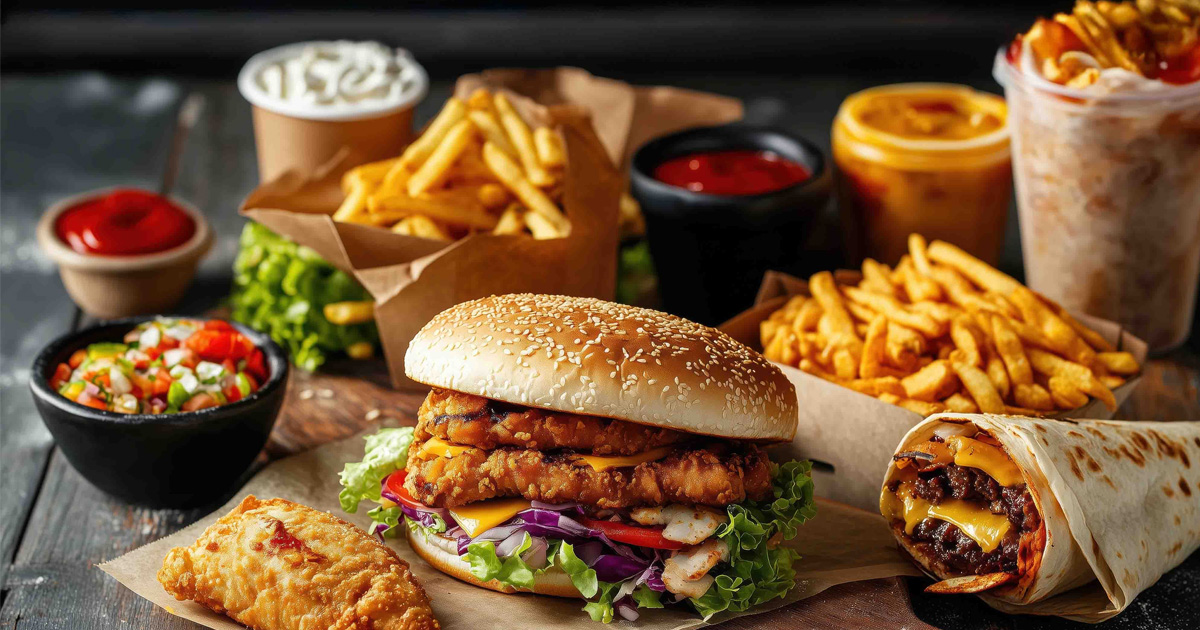
Simple sugars, including candy, soda, syrups and pastries, are not as nutrient rich as complex carbohydrates. You should limit these.
Complex carbohydrates such as whole grains, starchy vegetables and legumes are nutrient-dense and full of fiber. These are healthy options for sustained energy and feeling full.
Does eating fatty foods cause weight gain?
Not all fats are created equal. Fats are crucial for proper cell membrane structure, protection, vitamin absorption and hormone health.
Some fats, including saturated and trans fats, are associated with higher risk of heart disease or stroke. They are responsible for raising LDL (bad) cholesterol in the blood.
Over time, this cholesterol imbalance can develop into atherosclerosis. This is a condition in which arterial walls are blocked by plaque, narrowing blood vessels and increasing the risk of heart disease.
Unsaturated fats are an important part of a healthy, balanced diet. They help aid vitamin absorption, lower LDL cholesterol and increase HDL (good) cholesterol, thereby reducing plaque in blood vessels.
Limiting foods with saturated and trans fats, including butter, fatty cuts of meat and heavy cream, is helpful in decreasing the risk of heart disease and stroke.
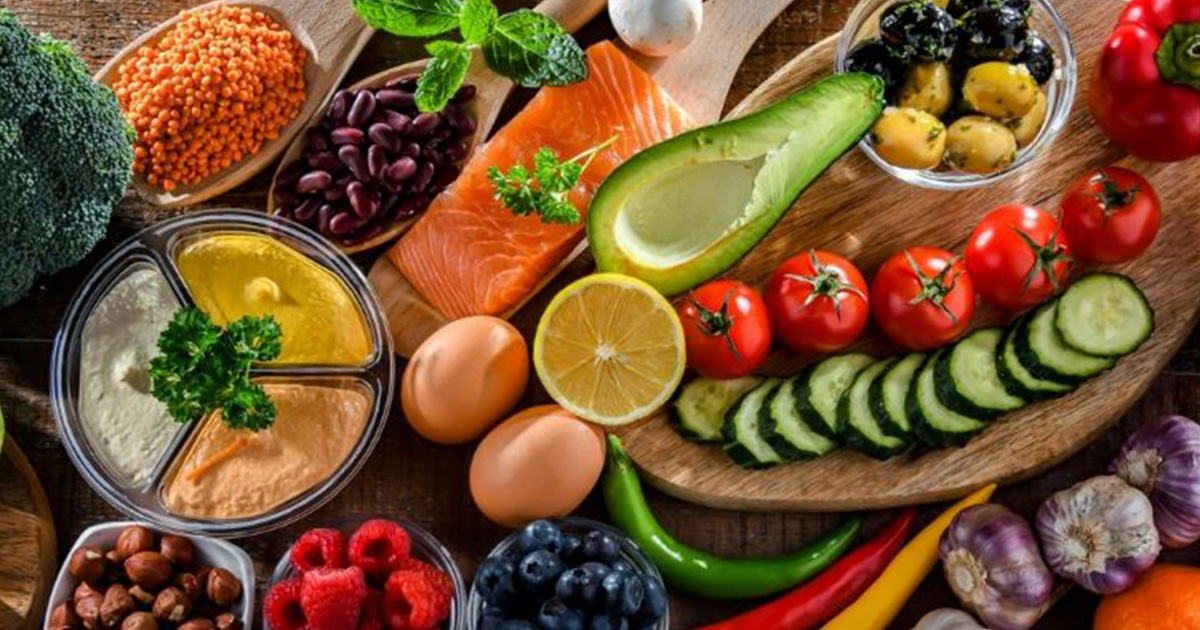
Choosing sources of unsaturated fats, such as olive oil, fish, avocados and nuts, can lead to cell health and a well-balanced meal.
Do you need to eliminate certain food groups to lose weight?
Weight loss can be daunting for some, especially those who believe it requires eliminating their favorite food groups.
While diet plays an important role in healthy weight loss, other factors also contribute. These include physical activity and sleep habits, among other things.
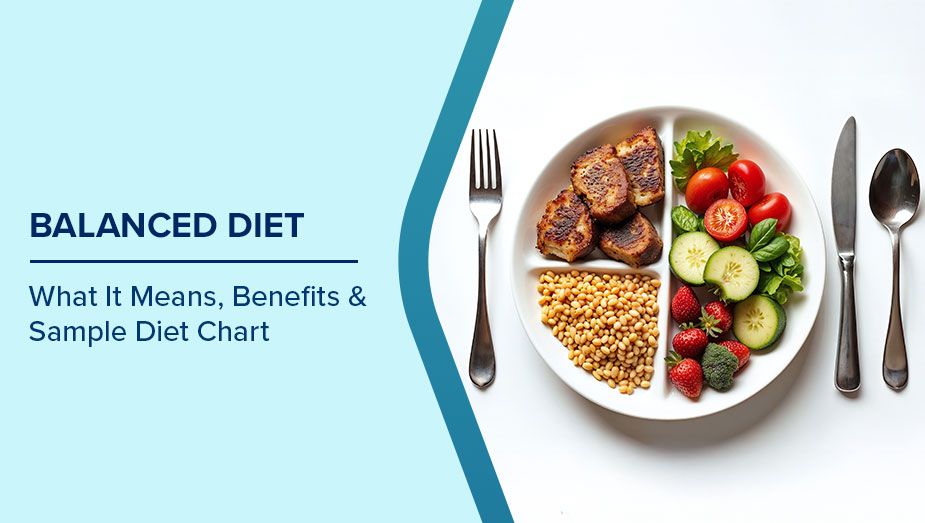
Dietary choices and healthy lifestyle habits can lead to sustainable weight loss without eliminating food groups. Focus on meals that feature whole foods and healthy sources of carbs, fats and adequate protein. This can make your meals satisfying and delicious while aiding long-term weight loss and maintenance.
Food is meant to be enjoyed and can be a source of happiness and cultural connection for many. Meals that include healthy sources of macronutrients leaves room for a celebratory piece of dessert or a sweet treat at the end of the day.